The Emergency Medicine Cabinet Staple That Doctors Quietly Stopped Recommending
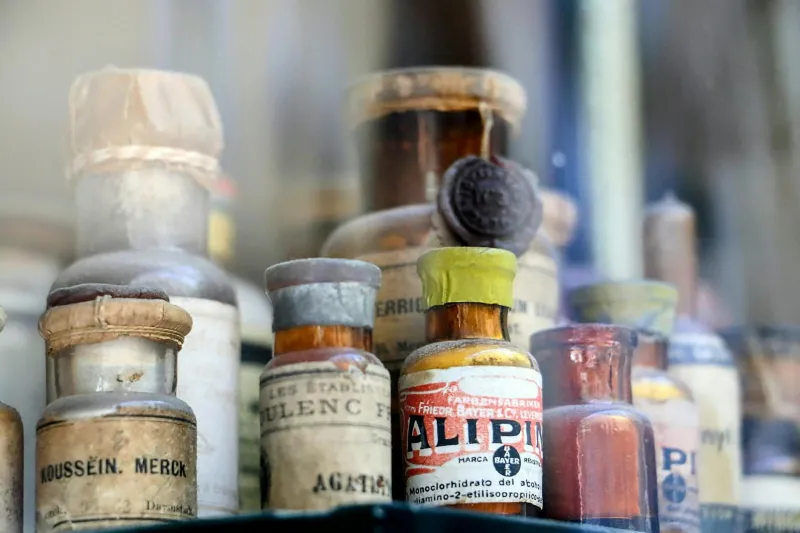
The Brown Bottle That Used to Live in Every Medicine Cabinet
For most of the late 20th century, responsible parents kept a small brown bottle tucked away with the Band-Aids and thermometers. Syrup of ipecac—the emergency vomiting inducer that pediatricians routinely recommended for accidental poisoning cases.
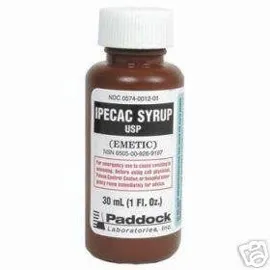 Photo: syrup of ipecac, via 4.bp.blogspot.com
The logic seemed bulletproof: if your child swallowed something toxic, you'd give them a dose of ipecac, they'd vomit up the poison, and crisis averted. It was fast, it was available, and it felt like taking control of a terrifying situation.
Pediatricians endorsed it. Poison control centers distributed it. The American Academy of Pediatrics included it in their official safety recommendations. For decades, syrup of ipecac represented the standard of care for at-home poison emergencies.
Then, quietly and without much fanfare, the medical establishment changed its mind.
When Simple Solutions Meet Complicated Problems
The shift away from ipecac didn't happen overnight. It started with questions from emergency room doctors who noticed that some poisoning cases seemed to get worse after ipecac use, not better. Patients were arriving at hospitals more dehydrated, more distressed, and sometimes with additional complications that hadn't been part of the original poisoning incident.
Researchers began taking a harder look at what actually happens when you induce vomiting after poisoning. The results weren't what anyone expected.
First, ipecac often didn't work as advertised. Studies found that even when vomiting occurred, it typically removed less than 30% of the ingested substance—and often much less than that. The poison had already moved beyond the stomach by the time most parents could locate the ipecac, read the dosing instructions, and get their child to take it.
Second, and more importantly, vomiting sometimes made poisoning cases significantly more dangerous.
The Problems Nobody Anticipated
Caustic substances—things like drain cleaners, oven cleaners, and toilet bowl products—cause chemical burns. When these substances come back up through the esophagus and throat during vomiting, they cause burns on the way out, too. Ipecac was essentially forcing poisoned children to experience the caustic damage twice.
Petroleum products like gasoline, kerosene, and furniture polish presented a different problem. These substances can cause severe lung damage if they're aspirated (breathed into the lungs) during vomiting. The risk of aspiration pneumonia turned out to be more dangerous than the original ingestion in many cases.
Even with less dramatic poisons, ipecac introduced complications that medical professionals hadn't fully considered. Persistent vomiting led to dehydration and electrolyte imbalances. Children who might have recovered quickly from minor poisoning incidents were ending up in emergency rooms with secondary problems caused by the "treatment."
The Research That Changed Everything
A series of studies in the 1990s and early 2000s systematically dismantled the case for home ipecac use. The most damning finding came from research comparing poisoning outcomes in areas where ipecac was routinely recommended versus areas where it wasn't.
Children who received ipecac at home didn't have better outcomes than children who didn't. In fact, they were more likely to require emergency medical treatment and more likely to be hospitalized. The intervention that was supposed to prevent serious poisoning was actually creating additional medical emergencies.
Poison control centers began tracking these patterns in their databases. The numbers told a clear story: immediate ipecac use wasn't saving children from poisoning complications. It was adding new complications to the mix.
The Quiet Policy Reversal
In 2003, the American Academy of Pediatrics officially reversed its recommendation. Instead of keeping ipecac on hand, parents should call poison control immediately and follow their specific guidance for each situation. The focus shifted from inducing vomiting to getting expert advice tailored to the specific substance and circumstances.
Poison control centers had developed much more sophisticated protocols. Instead of the one-size-fits-all vomiting approach, they could provide substance-specific guidance: activated charcoal for some poisons, immediate medical attention for others, and sometimes just careful monitoring at home.
The new approach recognized what the ipecac era had missed: poisoning cases are wildly different from each other, and they require different responses. The substance matters. The amount matters. The timing matters. The age and health of the person matters. A single intervention like induced vomiting couldn't address that complexity.
Why the Old Advice Lingered
Despite the policy change, syrup of ipecac didn't disappear from American homes immediately. Many parents had been taught that keeping ipecac on hand was a mark of preparedness, and changing that mindset took time.
Pharmacies continued selling it for several years after the medical recommendation changed. Some older first aid books and parenting guides continued to mention it. Grandparents who had successfully raised children using ipecac protocols sometimes questioned the new guidance.
The transition was also complicated by the fact that the reversal wasn't widely publicized. Unlike product recalls or dramatic medical warnings, this change happened through updated professional guidelines and revised pediatric advice. Parents who didn't have recent contact with pediatricians might never have heard about the shift.
What Poison Control Actually Recommends Now
Modern poison control protocols are much more nuanced than the old ipecac approach. When you call the national poison control hotline (1-800-222-1222), specialists can access databases of specific substances and provide guidance tailored to your exact situation.
For some ingestions, they'll recommend activated charcoal. For others, immediate emergency room treatment. For many cases—particularly involving small amounts of low-toxicity substances—they'll recommend monitoring at home with specific instructions about what symptoms to watch for.
The key insight that replaced the ipecac era is that poisoning response should be individualized, not standardized. What works for one type of poisoning can be dangerous for another, and only experts with access to comprehensive toxicology databases can make those distinctions reliably.
The Broader Lesson
The syrup of ipecac story illustrates how medical advice can persist long after the science has moved on. For decades, this intervention felt so obviously correct that questioning it seemed almost irresponsible. What kind of parent wouldn't keep lifesaving medication on hand?
But medical interventions that seem obviously beneficial don't always survive rigorous testing. Sometimes the cure really is worse than the disease, and sometimes our intuitive responses to emergencies need to be overridden by more sophisticated approaches.
The next time you're cleaning out old medicine cabinets or updating emergency supplies, remember that the best first aid for poisoning emergencies isn't a brown bottle—it's the phone number for poison control, programmed into your phone and ready to provide expert guidance when you need it most.