January's Detox Industry Sells You Guilt, Not Science — Your Body Already Handled the Holidays
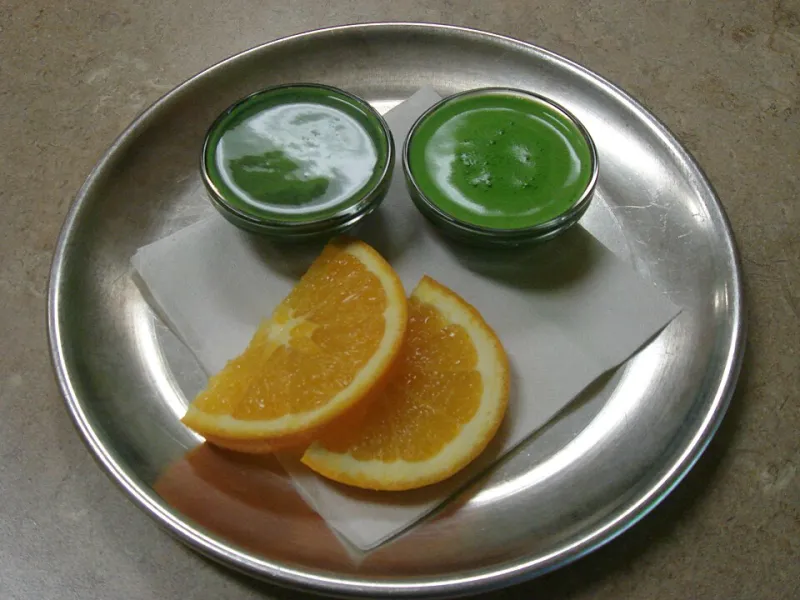
Photo: LukeHot at English Wikipedia, Public domain, via Wikimedia Commons
January's Detox Industry Sells You Guilt, Not Science — Your Body Already Handled the Holidays
Every year, right around December 26th, the marketing shifts. The holiday feasting ads give way to something more urgent — cleanses, resets, flushes, and detox programs promising to undo the damage of the previous month. By the first week of January, Americans have spent billions on juice cleanses, detox teas, activated charcoal supplements, and "liver support" kits. The premise is consistent across all of them: the holidays left your body full of toxins, and you need outside help to get rid of them.
There's one significant problem with that premise. It isn't true. And the medical community has been saying so for years, largely to an audience that's already clicked "add to cart."
What 'Toxin' Actually Means
The word "toxin" gets used so casually in wellness marketing that it's worth stopping to ask what it actually means in a medical context. Technically, a toxin is a specific type of poison produced by a living organism — think botulinum toxin, or the venom from a snake. In clinical medicine, "toxicity" refers to measurable, identifiable substances at concentrations that cause documented harm.
Detox marketing uses the word very differently. In that world, "toxins" is essentially a placeholder term — a vague, anxiety-producing noun that can mean anything from alcohol metabolites to pesticide residue to unspecified byproducts of eating too many Christmas cookies. It's deliberately imprecise, because precision would require specifying which toxins are being removed, at what concentrations, and through what mechanism. No major detox product on the market can answer those questions.
When researchers and physicians have pushed detox product companies to name the specific toxins their products address, the responses have been either evasive or entirely absent. A 2015 review published in the Journal of Human Nutrition and Dietetics found that none of the commercial detox diets examined had been tested in rigorous clinical trials, and not one could identify the toxins they claimed to eliminate.
Your Body Already Has a Detox System
Here's the part the cleanse industry would rather you not think too hard about: your body runs a continuous, highly sophisticated detoxification operation 24 hours a day. It's called your liver and kidneys, and they're genuinely remarkable.
The liver filters blood coming from the digestive tract, metabolizes drugs and alcohol, neutralizes harmful compounds, and converts waste products for elimination. The kidneys filter roughly 200 liters of blood every single day, removing waste and excess substances through urine. The lungs expel carbon dioxide with every breath. The lymphatic system, the skin, and the gut all play supporting roles.
This system doesn't clock out over the holidays. It doesn't get overwhelmed by a few weeks of richer food and extra cocktails in any way that requires a commercial product to fix. After a period of heavy eating or drinking, your organs adjust their workload and process what's there — exactly what they were designed to do. A juice cleanse doesn't accelerate that process or enhance it. It just costs more.
How the Marketing Found Its Moment
The post-holiday detox industry didn't emerge from a scientific discovery. It emerged from a gap in the calendar and a reliable annual surge in consumer guilt.
January represents a psychologically loaded moment for most Americans. There's genuine motivation to change habits, real feelings of physical heaviness after weeks of indulgence, and a cultural script around New Year's resolutions that primes people for transformation narratives. Wellness marketing stepped into that moment with a product that matched the emotional need perfectly: you overdid it, your body is suffering, here is a fast and purchasable fix.
The language of detoxification gave that pitch a medical-sounding credibility without requiring actual medical evidence. Terms like "cleanse," "flush," "reset," and "purify" carry implicit clinical weight. They sound like things a doctor might recommend. They're not, but the vocabulary does a lot of heavy lifting.
The rise of social media amplified it enormously. Influencer culture made detox teas and 30-day juice programs into aspirational content — beautiful people holding green drinks in January light, looking like they'd successfully rebooted their bodies. The products sold lifestyles, not chemistry.
What Actually Happens After the Holidays
If you spent December eating more than usual, drinking more than usual, and sleeping less than usual, you probably do feel sluggish heading into January. That's real. But what's happening physiologically is fairly straightforward.
Extra calorie intake means your body stored some of that energy. Extra alcohol put your liver on overtime processing ethanol. Disrupted sleep affected your cortisol levels, your hunger hormones, and your energy regulation. Less physical activity meant less cardiovascular stimulus.
The response to all of that isn't a cleanse — it's the boring, unsexy stuff: returning to regular meals, getting adequate sleep, moving your body, and drinking enough water. Your liver will handle the metabolic backlog on its own. It doesn't need activated charcoal or a $12 bottle of detox tea to do it.
In fact, some popular detox ingredients carry their own risks. Laxative-based "cleanse" teas can cause electrolyte imbalances with prolonged use. Very low-calorie juice fasts can trigger blood sugar swings. Some herbal supplements marketed for liver support interact with medications. The detox products designed to protect you from holiday excess occasionally create their own medical problems.
The Takeaway
The post-holiday detox industry is built on a word — "toxins" — that it cannot define and a promise it cannot keep. Your liver and kidneys handle the actual work of filtering your blood every hour of every day, no January cleanse required. What the industry sells is a response to guilt, not a response to science. Returning to normal eating habits and regular activity after the holidays is genuinely effective. It's just harder to package and sell.