The Shaving Myth That Fooled Your Grandparents — And Why It Won't Die
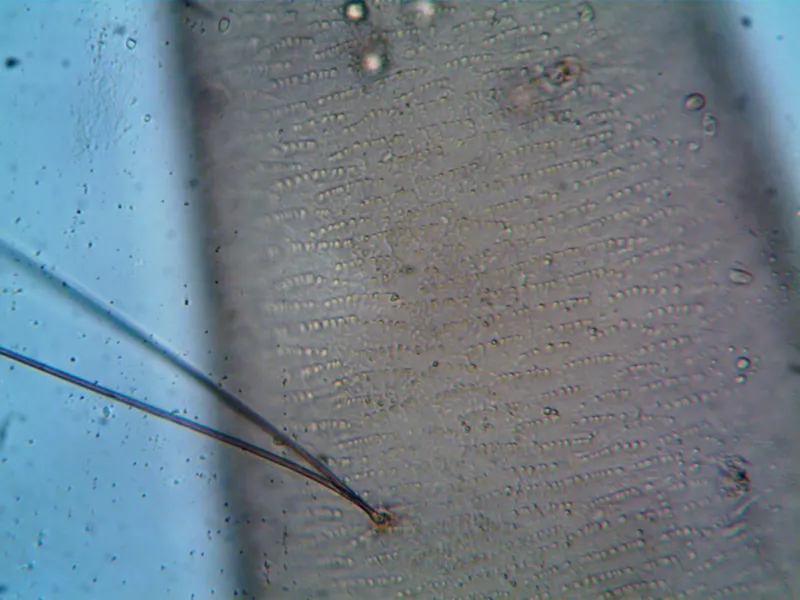
The Stubble That Started It All
Somewhere around the time your great-grandmother was warning your grandmother about shaving her legs, scientists were already proving the whole thing was nonsense. Yet here we are, a century later, still having this conversation.
The myth that shaving makes hair grow back thicker, darker, or faster has survived controlled studies, medical consensus, and decades of debunking attempts. It's become the cockroach of beauty misconceptions — seemingly impossible to kill.
What Science Figured Out in the Jazz Age
Back in 1928, when Herbert Hoover was running for president and sliced bread was literally the newest thing, a clinical study tracked hair growth in shaved versus unshaved areas. The results were definitive: no difference in thickness, color, or growth rate.
 Photo: Jazz Age, via img.freepik.com
 Photo: Herbert Hoover, via image.slideserve.com
Similar studies followed throughout the decades, all reaching the same conclusion. Hair follicles sit deep beneath your skin's surface, completely isolated from whatever happens at the top. Cutting hair is like trimming grass — it doesn't affect the roots.
Your hair's characteristics are determined by genetics, hormones, and age. A razor blade scraping across your skin's surface can't possibly influence follicles buried millimeters below.
The Optical Illusion That Fooled Everyone
So why does freshly shaved hair feel so much coarser when it grows back? Because you're comparing apples to oranges without realizing it.
Natural hair tapers to a fine point after months of growth, weathering, and gradual wear. When you shave, you create a blunt edge that feels dramatically different against your fingertips. It's the same hair, just cut straight across instead of naturally tapered.
Think of it like the difference between touching the pointed end of a pencil versus the eraser end. Same pencil, completely different tactile experience.
The "darker" appearance works the same way. Older hair gets bleached by sunlight and worn down by daily friction. Fresh stubble hasn't had time for that natural lightening process, so it appears darker by comparison.
How Perception Created "Evidence"
This sensory difference created what researchers call "confirmation bias" — people expected shaving to change their hair, then interpreted normal sensations as proof of their expectations.
When your leg stubble felt scratchy after shaving, that confirmed what your mother had warned you about. When arm hair looked darker after growing back, that seemed like obvious evidence that shaving had changed something fundamental.
Generations of people experienced the same illusion and drew the same incorrect conclusions. The myth became "common knowledge" passed down through families, completely divorced from actual evidence.
Why Doctors Can't Kill This One
Dermatologists have been fighting this misconception for decades, but they're battling something more powerful than scientific evidence: personal experience.
When someone tells you that your direct sensory experience is wrong, that's a hard sell. People trust what they can feel and see more than what experts tell them, especially when the expert explanation sounds counterintuitive.
The medical community also faces a communication problem. Explaining optical illusions and tactile differences requires more nuance than "that's not true." It's easier for myths to spread than for complex explanations to take hold.
The Modern Twist
Interestingly, this myth has evolved in the internet age. Instead of dying out, it's found new life in online forums where people share their "proof" through photos and personal testimonials.
Social media algorithms actually help spread misinformation by showing people content that confirms their existing beliefs. Someone convinced that shaving changed their hair will see more posts from others who believe the same thing.
Meanwhile, the scientific debunking gets buried in academic journals that most people never see.
What Actually Changes Your Hair
If shaving doesn't affect hair growth, what does? Hormones are the biggest factor — which is why teenage boys suddenly sprout facial hair and why some women notice changes during pregnancy or menopause.
Age matters too. Hair naturally becomes coarser and darker during puberty, which often coincides with when people start shaving regularly. That timing creates a false correlation that reinforces the myth.
Certain medications, medical conditions, and even stress can alter hair characteristics. But your razor? It's just a cutting tool with no biological influence.
The Generational Echo Chamber
This myth persists because it gets passed down through trusted relationships. When your parent or grandparent shares their "wisdom" about shaving, you're more likely to believe it than some distant scientific study.
Families essentially create echo chambers where the same misconception gets reinforced across generations. Each person's confirmation bias becomes evidence for the next person's beliefs.
Breaking this cycle requires someone willing to question family wisdom — which is harder than questioning stranger's claims.
The Real Lesson
The shaving myth reveals something important about how humans process information. We're pattern-seeking creatures who often find connections where none exist, especially when our senses seem to provide evidence.
This same tendency shows up in everything from superstitions to conspiracy theories. We trust our personal experience over abstract evidence, even when that experience is systematically misleading us.
What You Should Actually Know
Shave or don't shave based on your preferences, not fear of changing your hair. The stubble will feel different because it is different — cut blunt instead of naturally tapered. But your follicles remain completely unaffected by surface-level cutting.
If you want to change your hair's actual characteristics, look into hormonal factors, genetics, or medical conditions. Your razor is just a styling tool, not a biological influencer.
The next time someone warns you about shaving consequences, you can confidently ignore advice that scientists disproved before your grandparents were born.