A Japanese Pedometer Company Invented Your Daily Step Goal — Not a Doctor
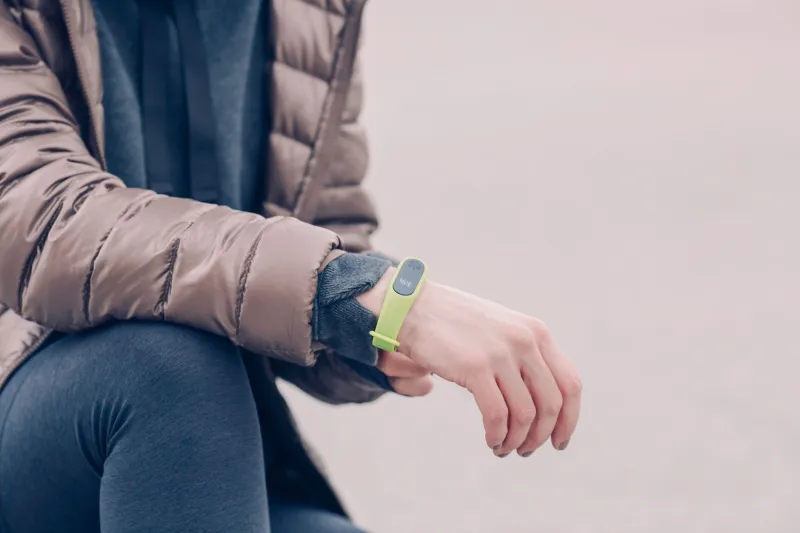
If you own a fitness tracker, there's a good chance it buzzes, flashes, or gives you some kind of digital pat on the back when you hit 10,000 steps. It's one of those numbers that feels official — like someone in a lab coat sat down with decades of data and landed on exactly that figure. Doctors mention it. Health apps default to it. Insurance wellness programs reward it.
So it might come as a surprise that the number has nothing to do with exercise science. It has everything to do with a pedometer that needed a catchy name.
The Real Origin Story
In 1964, Tokyo hosted the Summer Olympics. The games sparked a wave of fitness enthusiasm across Japan, and a company called Yamasa Clock and Instrument saw an opportunity. They released one of the first commercially available pedometers and named it the Manpo-kei — which translates, almost perfectly, to "10,000 steps meter."
The name wasn't chosen because researchers had determined that 10,000 steps was the optimal daily movement target. It was chosen because the Japanese character for 10,000 — 万 — looks a bit like a person walking. It was a visual pun. A branding decision. The kind of thing a marketing team comes up with in a brainstorming session, not a scientific committee.
That pedometer sold well. The number stuck. And over the following decades, as walking programs spread and fitness culture globalized, "10,000 steps" made the leap from product name to health gospel without anyone ever stopping to ask where it actually came from.
What the Research Actually Says
Here's where things get genuinely interesting. The good news is that walking more is, in fact, good for you. The bad news — for the myth, anyway — is that 10,000 is not some magical threshold your body recognizes.
A landmark 2019 study published in JAMA Internal Medicine followed over 16,000 older women and found that health benefits increased significantly up to around 7,500 steps per day — and then largely plateaued. More steps beyond that didn't produce meaningfully better outcomes for that population.
A 2021 study in JAMA Network Open looked at a broader age range and found that even modest increases in daily steps — going from roughly 4,000 to 8,000 — were associated with substantially lower mortality risk. The curve flattened well before 10,000.
None of this means 10,000 steps is harmful. If you're hitting that number, great. But the research increasingly suggests that the benefit curve is steep early and gradual later — meaning the biggest gains come from moving at all, not from chasing a specific five-digit target.
Why the Number Spread So Far
There's a reason round numbers take hold in public health messaging. "Walk more" is technically accurate but practically useless. People want a goal. A number gives them something to track, something to hit, something to feel good about achieving.
When Japanese walking clubs adopted the 10,000-step framework in the 1960s and 70s, it gave participants a clear benchmark. When the concept eventually reached American fitness culture — accelerating in the 1990s and exploding with the rise of wearable technology in the 2010s — it arrived with the authority of repetition. The more times you hear a number, the more scientific it sounds.
Fitbit launched in 2009 with 10,000 steps as its default daily goal. Apple Watch followed. Garmin. Samsung. Every major fitness wearable essentially standardized a marketing figure from a 1960s Japanese gadget without so much as a footnote.
The CDC and other public health organizations have generally recommended 150 minutes of moderate activity per week rather than a specific step count — but that framing never had the same stickiness. "150 minutes" doesn't buzz on your wrist at 9 PM.
What Doctors Are Quietly Adjusting
Some physicians and exercise researchers have started pushing back — gently — on the 10,000-step framing. The concern isn't that walking is bad. It's that setting an arbitrary high bar can discourage people who are genuinely improving their health by going from 2,000 steps to 5,000. If the only goal that counts is 10,000, a lot of real progress feels like failure.
There's also growing attention to the quality of movement, not just quantity. Short bursts of brisk walking appear to carry more cardiovascular benefit than the same number of slow, ambling steps. Interrupting long periods of sitting — even with brief walks — has its own measurable health effects, independent of total step count.
The emerging message from exercise science is less "hit 10,000" and more "sit less, move more, and make some of that movement count."
The Takeaway
The 10,000-step rule isn't dangerous advice. It's just not science. It's a marketing slogan from a Tokyo gadget company that survived six decades by sounding official. The real story is both simpler and more encouraging: moving more than you currently do, in almost any amount, is likely to benefit your health. The specific number matters a lot less than the habit. Your fitness tracker just never got the memo.