That Swimming Cramp Warning Your Parents Drilled Into You Has Never Killed Anyone
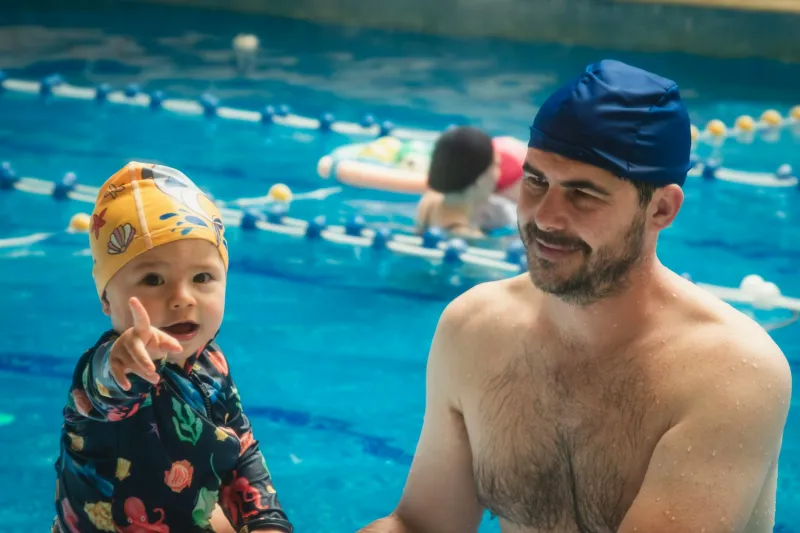
Every American kid knows the rule: eat lunch, then wait exactly 30 minutes before getting back in the pool. No exceptions. Parents enforce this poolside ritual with the confidence of people preventing certain death, warning that swimming on a full stomach causes cramps that lead to drowning.
Generations of summer afternoons have been spent watching the clock, waiting for that magical half-hour to pass. But here's what sports medicine and water safety experts have discovered: there's not a single documented case of someone drowning because they went swimming after eating.
Not one.
The Cramp Theory That Never Added Up
The logic behind the 30-minute rule sounds reasonable enough. After eating, blood flow increases to your digestive system to help break down food. This supposedly diverts blood away from your muscles, making them more prone to cramping during exercise. Severe cramps while swimming could impair your ability to stay afloat, potentially causing drowning.
This theory has one major flaw: it doesn't match what actually happens in your body during digestion and exercise.
Your cardiovascular system is remarkably good at multitasking. Yes, blood flow to your digestive tract increases after eating — but your heart doesn't operate on a fixed budget where helping digestion means shortchanging your muscles. During exercise, your heart rate increases and blood vessels dilate to meet the demands of both digestion and muscle activity.
What the Research Actually Shows
Sports medicine researchers have studied exercise timing and digestion extensively, particularly for competitive athletes who need to optimize their training and eating schedules. The findings consistently show that eating before moderate exercise — including swimming — poses no significant health risks for most people.
A comprehensive review published in the International Journal of Sport Nutrition examined decades of research on eating and exercise timing. The researchers found that while eating immediately before intense exercise might cause minor digestive discomfort in some people, it doesn't increase cramping risk or impair athletic performance in dangerous ways.
The American Red Cross, which trains more lifeguards and water safety instructors than any other organization in the United States, doesn't include "swimming after eating" in its list of drowning risk factors. Neither does the Centers for Disease Control and Prevention in its water safety guidelines.
 Photo: Centers for Disease Control and Prevention, via images.ctfassets.net
 Photo: American Red Cross, via 1000logos.net
Where the 30-Minute Rule Came From
So how did this specific waiting period become gospel among American parents? The rule appears to have emerged from early 20th-century physical education guidelines that recommended waiting periods between eating and vigorous exercise — not specifically swimming.
These guidelines were based more on general caution than scientific research. The logic was simple: if intense exercise after eating might cause discomfort, then waiting seemed like a reasonable precaution. The 30-minute timeframe was essentially arbitrary — long enough to feel meaningful but short enough to be practical.
The rule gained particular traction around swimming because water activities seemed more dangerous than land-based exercise. Parents could easily imagine how a cramp in the pool might be catastrophic in ways that a cramp during a backyard game wouldn't be.
The Real Drowning Risks We Ignore
While families obsess over post-meal swimming schedules, the actual leading causes of drowning get far less attention. According to the CDC, the primary risk factors for drowning include:
Lack of supervision: Most child drownings happen when adults aren't watching or are distracted by phones, conversations, or other activities.
Inability to swim: Many drowning victims never learned proper swimming skills or overestimated their abilities in challenging conditions.
Alcohol consumption: Alcohol impairs judgment, coordination, and reaction time — making it a major factor in adult drowning deaths.
Exhaustion: Swimming beyond your fitness level or in challenging conditions like strong currents or cold water causes far more problems than eating timing.
Medical conditions: Seizures, heart problems, and other health issues pose genuine swimming risks that have nothing to do with meal timing.
None of these factors involve eating schedules, yet the 30-minute rule gets more parental attention than teaching kids to swim properly or maintaining constant supervision.
Why Parents Keep Believing
The persistence of the eating-before-swimming myth reveals something important about how safety advice spreads and sticks in American culture. Parents hear the rule from their own parents, see other families following it, and assume it must be based on solid evidence.
The rule also offers a sense of control. Water safety can feel overwhelming — there are so many variables, so many things that could go wrong. Having a simple, specific rule to follow makes parents feel like they're actively protecting their children.
Plus, the consequences of being wrong seem catastrophic. Even if parents suspect the rule might be unnecessary, why take the risk? It's easier to enforce a 30-minute wait than to research the actual science behind water safety.
What Water Safety Experts Recommend
Real water safety focuses on proven risk reduction strategies rather than arbitrary waiting periods. The American Academy of Pediatrics and water safety organizations recommend:
 Photo: American Academy of Pediatrics, via gaaap.org
- Constant, attentive supervision of children around water
- Swimming lessons for all family members
- Learning CPR and basic water rescue techniques
- Understanding local water conditions and hazards
- Avoiding alcohol consumption while swimming or supervising swimmers
- Teaching kids to never swim alone
Notice what's not on this list? Waiting 30 minutes after eating.
The Takeaway
This doesn't mean you should immediately start doing laps after finishing a large meal. Intense exercise on a very full stomach can cause digestive discomfort — you might feel sluggish or slightly nauseous. But these minor inconveniences are a far cry from the life-threatening cramps that parents worry about.
The real lesson here is that effective safety practices should be based on evidence, not tradition. While American families continue their poolside waiting rituals, the actual risks that cause drowning remain largely unchanged.
Your parents meant well with the 30-minute rule. They just got the wrong safety advice.