The Sugar Rush That Never Was: Why Science Can't Find What Parents Swear They See
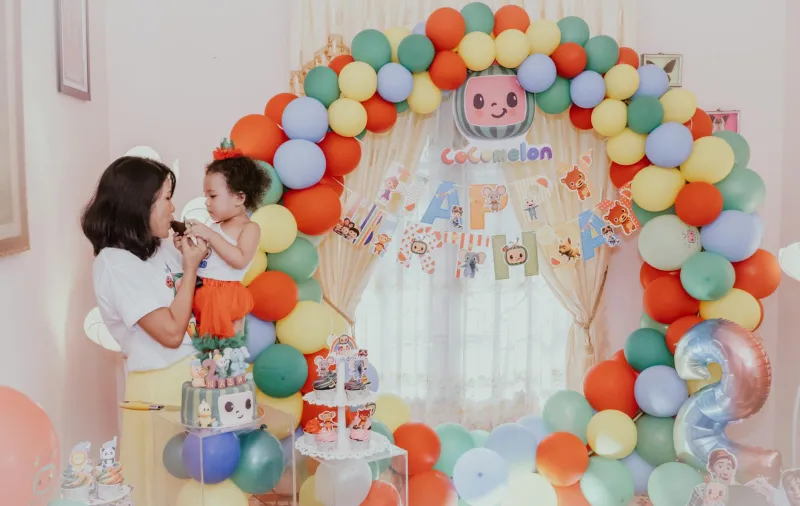
Every parent has a story. Little Emma bounces off the walls after birthday cake. Tommy becomes a whirlwind after Halloween candy. The sugar rush seems so obvious, so undeniable, that questioning it feels almost absurd.
Yet here's what might surprise you: despite decades of research and dozens of carefully controlled studies, scientists have never actually found evidence that sugar makes kids hyperactive.
The Study That Started It All
The sugar-hyperactivity myth traces back to 1973, when allergist Benjamin Feingold published a book claiming that artificial additives — including sugar — caused hyperactivity in children. His theory gained massive media attention and parental support, but there was one problem: his research was essentially anecdotal observations, not controlled scientific study.
Feingold's claims sparked a wave of actual research. Scientists designed study after study to test whether sugar really did affect children's behavior. They used double-blind protocols, where neither parents nor researchers knew which children received sugar versus artificial sweeteners. They measured activity levels objectively. They controlled for every variable they could think of.
The results? Consistently negative. Study after study found no significant difference in hyperactivity between children who consumed sugar and those who didn't.
When Parents Become the Variable
Here's where things get really interesting. In one particularly clever study, researchers told parents their children were getting sugar-sweetened drinks, but actually gave all the kids artificial sweetener instead. The parents still rated their children's behavior as more hyperactive.
This reveals something fascinating about human psychology: our expectations shape what we observe. When parents believe their child has consumed sugar, they're primed to notice energetic behavior. Every jump, every giggle, every moment of excitement gets filtered through the lens of "must be the sugar."
Researchers call this expectation bias, and it's incredibly powerful. Parents who think their child had sugar will rate the same behaviors as more problematic than parents who believe their child had a sugar-free alternative.
The Real Culprits Behind Kid Energy Spikes
So if sugar isn't turning kids into hyperactive tornados, what is? The answer is usually much simpler — and more obvious.
First, consider the context. When do kids typically consume lots of sugar? Birthday parties. Holiday celebrations. Special occasions. These are inherently exciting, stimulating environments with lots of other children, new activities, and general excitement. The sugar might be innocent; the situation definitely isn't.
Second, timing matters. Many sugary treats come at the end of meals, when kids have been sitting still for extended periods. That post-dinner energy burst might just be normal kid behavior finally getting its chance to emerge.
Third, some children genuinely do have attention or hyperactivity issues — but these are neurological conditions, not dietary reactions. Parents naturally look for explanations, and sugar provides a convenient, controllable target.
Why the Myth Won't Die
Despite overwhelming scientific evidence, the sugar-hyperactivity belief persists with remarkable tenacity. There are several reasons why this myth has such staying power.
Confirmation bias plays a huge role. Once parents believe sugar causes hyperactivity, they notice every instance that seems to confirm this belief while overlooking times their child was calm after sugar or energetic without it.
The myth also feels intuitive. Sugar provides quick energy, so it seems logical that it would make kids more active. This intuitive appeal makes the scientific evidence feel counterintuitive, even suspicious.
There's also a cultural element. Blaming sugar for behavioral problems gives parents a sense of control. If hyperactivity comes from diet, it's manageable. If it's just normal kid energy or underlying neurological differences, that feels less controllable.
What Actually Affects Kid Behavior
While sugar gets unfairly blamed, several factors genuinely do influence children's energy and focus levels.
Sleep is the big one. Tired children often become hyperactive as they fight fatigue. A child who seems "wired" after a party might actually be overtired from staying up past bedtime.
Routine disruptions matter too. Kids thrive on predictability, and special occasions that involve sugary treats often also involve schedule changes that can affect behavior.
Some food additives — not sugar, but artificial colors and preservatives — may affect behavior in a small subset of children, though the evidence is still mixed and the effects appear limited to those with existing sensitivities.
The Takeaway
The next time you're tempted to blame your child's energy on sugar, take a step back. Look at the bigger picture: What else is happening? Are they tired? Excited about the situation? Following their normal energy patterns?
This doesn't mean sugar is health food — it's still smart to limit kids' sugar intake for dental health and overall nutrition. But you can stop feeling guilty about the occasional treat "making" your child hyperactive.
Sometimes kids are just being kids, and that's perfectly normal — no sugar required.