That Poison Ivy Scrub-Down You're Rushing to Do? The Oil Already Won
The Race Against Time That's Already Over
Picture this: you're hiking, realize you brushed against some suspicious three-leaved plants, and immediately start planning your emergency decontamination routine. Soap, hot water, maybe some rubbing alcohol—anything to wash off that poison ivy oil before it can do its damage. But here's the uncomfortable truth: by the time you're thinking about washing, the battle is probably already lost.
Urushiol, the oily resin that makes poison ivy so miserable, doesn't sit politely on your skin waiting for you to notice. Within 10 to 15 minutes of contact, it begins bonding with proteins in your skin cells. That frantic scrubbing session you're planning? It might make you feel better, but the oil has likely already started its work.
What's Really Happening Under Your Skin
The poison ivy reaction isn't what most people think it is. You're not reacting to the oil itself—you're having an immune system meltdown over foreign proteins that the urushiol has created by linking up with your own skin cells.
Think of urushiol like a molecular matchmaker with terrible intentions. It grabs onto proteins in your skin and changes their shape, creating hybrid molecules your immune system has never seen before. Your body's defense system treats these altered proteins as invaders and launches a full-scale attack—which is why you get that angry, blistering rash.
This process takes time, which explains why poison ivy rashes don't appear immediately. The urushiol needs a few days to do enough damage for your immune system to notice and respond. That delayed reaction is why people often blame the wrong plant or think they're mysteriously developing new allergies.
The Spreading Myth That Won't Die
Here's where things get really misunderstood. Most people believe that scratching a poison ivy rash spreads the oil to new areas, causing the reaction to expand across their body. Parents warn kids not to scratch, convinced they'll make things worse by moving the urushiol around.
But once that rash appears, there's no active oil left to spread. The urushiol either washed off, wore off, or bonded to your skin days ago. What looks like spreading is actually just different areas of your body reacting on their own timeline. Thicker skin takes longer to show symptoms than thin skin, so the rash on your forearms might appear before the one on your palms.
Scratching is still a bad idea—it can cause secondary infections and scarring—but it's not creating new poison ivy reactions. The damage was done long before you felt that first itch.
Why the Washing Advice Persists
So why does everyone from park rangers to pediatricians still recommend immediate washing? Because it's not entirely wrong—it's just working with a much smaller window than most people realize.
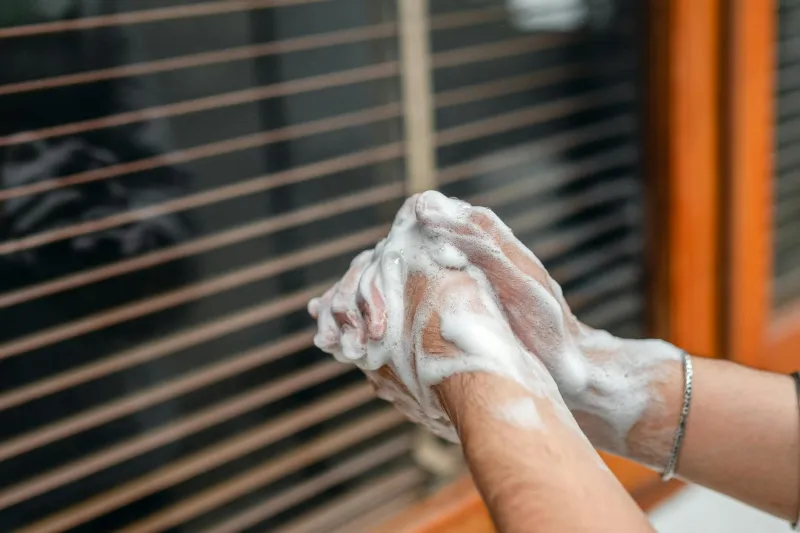
If you can wash with soap and cool water within the first few minutes of contact, you might remove some urushiol before it bonds. The key word is minutes, not the hours that many people imagine they have. Hot water actually makes things worse by opening your pores and helping the oil penetrate deeper.
The advice persists because it occasionally works, and because doing something feels better than doing nothing. Medical professionals keep recommending it because the downside is minimal and the potential upside—preventing a miserable few weeks—is worth the effort.
The Real Prevention Strategy
The most effective poison ivy prevention happens before you ever touch the plant. Long sleeves, long pants, and gloves create barriers that urushiol can't easily cross. If you know you'll be in poison ivy territory, consider applying a barrier cream designed for outdoor work.
After potential exposure, wash your clothes separately in hot water and clean any tools or gear that might have picked up the oil. Urushiol can remain active on surfaces for years, which is why people sometimes develop rashes from touching "clean" gardening tools or old camping equipment.
What This Means for Your Next Hike
The next time you spot those telltale three leaves, don't panic about racing to the nearest sink. Focus instead on minimizing further contact and getting your clothes and equipment properly cleaned. If you do wash, use cool water and soap within the first few minutes—but don't expect miracles.
Understanding the real timeline of poison ivy reactions can actually be liberating. Instead of spending days wondering if you washed fast enough, you can focus on managing the symptoms if they appear and taking better precautions next time.
The gap between what people think poison ivy washing accomplishes and what it actually does reveals how medical advice gets simplified over time. Sometimes the simplified version—wash immediately—is easier to remember than the complicated truth: wash immediately if you can, but don't count on it to save you.