The Organic Label Promises Way Less Than Most Shoppers Think It Does
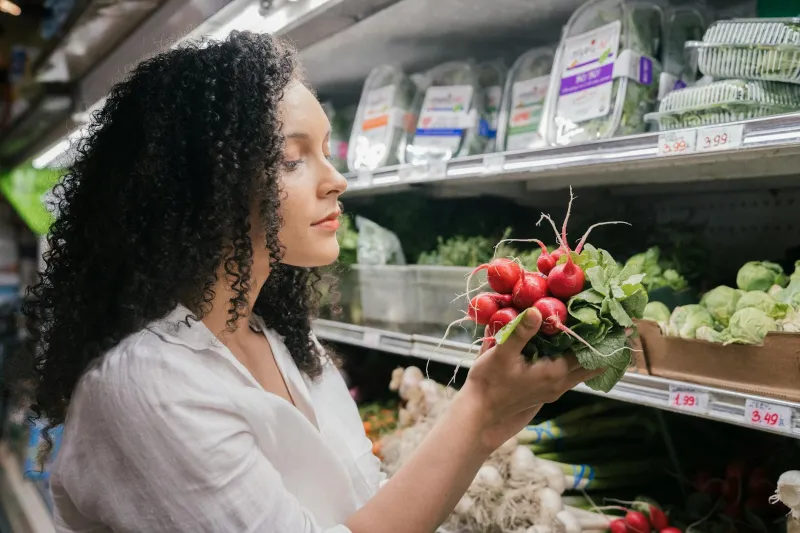
Walk through any American supermarket and watch shoppers gravitate toward the organic section. They'll pay 20-40% more for tomatoes, milk, and bread marked with that official green USDA Organic seal, confident they're buying food free from pesticides and chemicals.
Here's what most of them don't know: organic farmers can legally use dozens of pesticides, fungicides, and other chemical treatments. Some of these substances are applied in larger quantities than their synthetic alternatives.
The organic label isn't lying to you — but it's probably not delivering what you think you're paying for.
What Organic Actually Means (Legally Speaking)
The USDA's National Organic Program, established in 2002, defines organic farming through a process-based approach rather than a product-based one. It's about how food is grown and processed, not about the final chemical content of what ends up on your plate.
Organic certification prohibits synthetic pesticides, fertilizers, antibiotics, and growth hormones. But "synthetic" is the key word here. Farmers can use any pesticide derived from natural sources, regardless of its toxicity or environmental impact.
The approved list includes copper sulfate, rotenone, pyrethrin, and spinosad — chemicals that can be just as harmful to insects, soil organisms, and sometimes humans as their synthetic counterparts. Some organic pesticides require larger application volumes to achieve the same pest-control effects as synthetic alternatives.
"Consumers have this idea that organic means chemical-free," explains Dr. Steve Savage, an agricultural scientist who studies farming practices. "But organic farmers face the same pest pressures as conventional farmers. They just use a different toolkit."
The Marketing Shift That Changed Everything
For most of the 20th century, "organic" was an agricultural term describing farming methods that emphasized soil health and ecological balance. Early organic advocates like J.I. Rodale focused on building sustainable farming systems, not necessarily on producing "cleaner" food.
 Photo: J.I. Rodale, via members.acresusa.com
That changed in the 1990s, when food marketers realized that health-conscious consumers would pay premium prices for products positioned as safer alternatives to conventional groceries.
Suddenly, organic marketing emphasized what wasn't in the food rather than how it was grown. Advertising campaigns highlighted the absence of synthetic chemicals while quietly ignoring the presence of natural ones. The farming certification morphed into an implied health claim.
"The organic industry discovered that fear sells better than sustainability," notes Marion Nestle, a food policy expert at New York University. "Marketing organic as 'chemical-free' was more profitable than explaining complex farming philosophies."
 Photo: New York University, via www.metromba.com
Where the Health Evidence Actually Stands
After decades of research comparing organic and conventional foods, the scientific consensus is surprisingly modest. Most studies find minimal nutritional differences between organic and conventional produce.
A comprehensive 2012 Stanford University review analyzed 237 studies comparing organic and conventional foods. The researchers found no strong evidence that organic foods are significantly more nutritious or safer than conventional alternatives.
 Photo: Stanford University, via architectplanning.stanford.edu
Organic produce does typically contain lower levels of synthetic pesticide residues — but conventional produce rarely exceeds safety thresholds anyway. Meanwhile, organic foods show higher rates of certain bacterial contaminations, partly because organic farmers can't use synthetic antimicrobial treatments.
"The health benefits of eating more fruits and vegetables far outweigh any potential risks from pesticide residues, whether the produce is organic or conventional," concludes the American Academy of Pediatrics.
The Environmental Picture Is Complicated Too
Many consumers choose organic believing it's better for the environment, and in some ways, it can be. Organic farming typically promotes better soil health, supports more biodiversity, and avoids synthetic fertilizers that can create water pollution.
But organic farming also requires more land to produce the same amount of food — often 20-40% more. This lower efficiency can lead to greater overall environmental impact when you account for land use, water consumption, and carbon emissions from transportation.
Some organic pesticides, like copper-based fungicides, can accumulate in soil and harm beneficial organisms over time. Rotenone, an organic insecticide, is highly toxic to fish and has been linked to Parkinson's disease in some studies.
"Organic isn't automatically better for the environment," explains Dr. Savage. "It depends on the specific practices, the local ecosystem, and how you measure environmental impact."
Why the Myth Persists in Grocery Aisles
Despite scientific evidence showing minimal health differences, organic food sales continue growing by double digits annually. American consumers now spend over $50 billion yearly on organic products.
Part of this persistence comes from the naturalistic fallacy — the assumption that "natural" automatically means "better" or "safer." Marketers have skillfully reinforced this bias without making explicit health claims that would require FDA approval.
The organic industry also benefits from regulatory confusion. While the USDA oversees organic certification, it doesn't regulate health claims about organic foods. This gap allows marketers to imply benefits without proving them.
Meanwhile, conventional agriculture hasn't effectively communicated the safety and nutritional adequacy of its products. Faced with marketing that suggests conventional food might be harmful, many consumers choose organic as insurance, even when the premiums strain their budgets.
What Organic Does Guarantee
This isn't to say organic certification is meaningless. The USDA organic label does guarantee certain production practices:
- No synthetic pesticides, fertilizers, or GMOs
- No antibiotics or growth hormones in livestock
- Higher animal welfare standards
- More environmentally sustainable practices in many cases
- Support for farming methods that often promote soil health and biodiversity
If these production methods matter to you — for environmental, ethical, or philosophical reasons — then organic premiums might be worth paying.
The Bottom Line for Your Grocery Budget
If you're buying organic primarily for health reasons, you're probably not getting much bang for your buck. The nutritional and safety differences between organic and conventional foods are minimal for most products.
Your money might have bigger health impacts if spent on buying more fruits and vegetables overall, choosing a wider variety of foods, or investing in other aspects of a healthy lifestyle.
But if you value the farming practices behind organic certification — supporting more sustainable agriculture, higher animal welfare standards, or avoiding GMOs — then organic purchases align with those values, regardless of whether they deliver measurable health benefits.
The organic label tells you how your food was produced. Whether that production method is worth the premium depends on what you're actually trying to buy.