Your Mugshot Goes Online Before You're Even Charged—And It Never Leaves
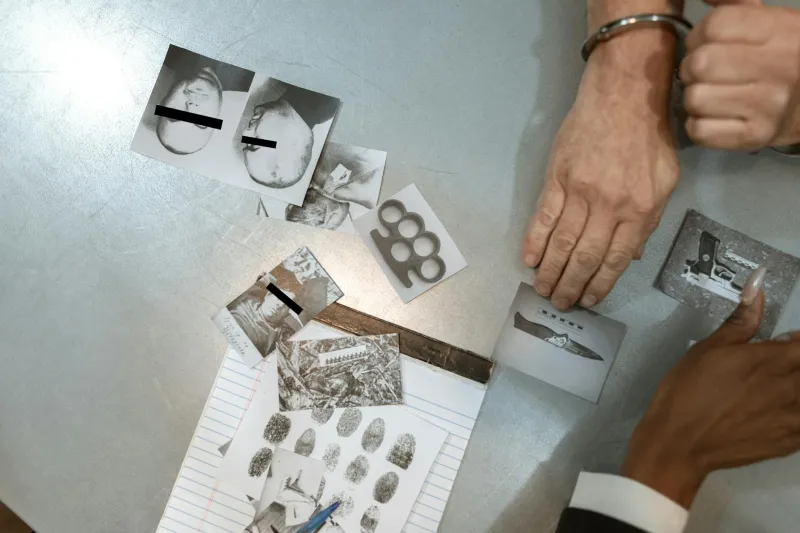
The Snapshot That Predicts Nothing
Every year, millions of Americans get their first real lesson in how the justice system actually works: through a camera flash and a booking number. That mugshot—the one that might end up on websites, in newspaper crime blotters, and in background check results—gets taken within hours of arrest, long before anyone proves you did anything wrong.
Yet most people treat mugshots like criminal convictions. They see a booking photo and assume guilt, as if the camera somehow captured evidence instead of just documenting a very bad day. The reality is messier and more troubling than most Americans realize.
When Photography Met Law Enforcement
Mugshots started in the 1880s as an internal police tool, a way for departments to keep track of repeat offenders in an era before fingerprinting became standard. The word itself comes from "mug," 19th-century slang for face, and the standardized format—front view, side view, height chart—was designed for identification, not public shaming.
For nearly a century, these photos stayed locked in police files. Getting access to booking photos required either being a cop, a lawyer, or having a very good reason to dig through records. The mugshot was administrative paperwork, not public entertainment.
That changed with the internet and freedom of information laws. What started as a police filing system became a permanent, searchable database accessible to anyone with a browser and an opinion.
The Business of Digital Shame
Today's mugshot industry operates on a simple principle: public records are free, but privacy costs money. Websites scrape arrest records from police departments and sheriff's offices, often within hours of booking. They post the photos alongside charges and personal information, then wait for people to find their own faces and pay removal fees.
It's a business model that would make loan sharks blush. Companies charge anywhere from $30 to $400 to remove a single mugshot, with no guarantee it won't reappear on a different site tomorrow. Some operate networks of dozens of websites, ensuring that paying one site won't solve the problem.
The cruel irony is that people who were never convicted—whose charges were dropped, dismissed, or resulted in not-guilty verdicts—often end up paying the highest price. Their mugshots remain online long after the legal system declares them innocent.
Why Innocent Photos Look Guilty
Mugshots are designed to look incriminating. The harsh lighting, neutral background, and mandatory serious expression create an aesthetic that screams "criminal," even when the person hasn't been convicted of anything. Police photographers aren't trying to make people look good—they're creating identification photos under fluorescent lights at 3 AM.
Add in the context where most people encounter these images—crime websites, news stories about arrests, background check results—and it's nearly impossible to see a mugshot without assuming guilt. The visual language of the booking photo has become shorthand for "this person did something wrong," regardless of what actually happened in court.
The Presumption of Innocence Meets SEO
Google doesn't distinguish between mugshots of convicted criminals and photos of people who were later cleared of all charges. Search algorithms treat all mugshots equally, which means an arrest photo from a dismissed case can rank higher in search results than professional headshots, social media profiles, or legitimate news coverage.
For many people, their mugshot becomes their most visible online presence. Job interviews, dating profiles, community involvement—everything gets filtered through that one terrible photo taken on the worst day of their lives. The digital scarlet letter follows them indefinitely.
Employers, landlords, and even friends make judgments based on booking photos, often without knowing whether the charges led to convictions. The presumption of innocence, a cornerstone of American justice, gets buried under search engine results.
Legal Loopholes and Legislative Battles
Several states have tried to address the mugshot exploitation industry through legislation. Some require conviction before photos can be published, while others mandate free removal for cases that don't result in guilty verdicts. But these laws only apply within state borders, and the internet doesn't respect jurisdictional boundaries.
Federal action has been limited and largely ineffective. The mugshot industry adapts quickly, moving operations to states with fewer restrictions or hosting content on servers in different countries. For every site that gets shut down, three more appear with slightly different names and identical business models.
The Real Cost of Digital Permanence
The mugshot database system reveals a fundamental disconnect between how Americans think justice works and how it actually operates. We've created a system where the punishment—permanent online humiliation—often far exceeds the crime, and where innocence provides no protection against lasting consequences.
For people who've never been arrested, it's easy to assume that mugshot websites only affect "real criminals." But arrest can happen to anyone: mistaken identity, false accusations, being in the wrong place at the wrong time, or simply making a poor decision that doesn't result in conviction.
The next time you see a mugshot online, remember that you're looking at someone's worst moment, not their final judgment. That photo was taken before any evidence was presented, before any trial occurred, and quite possibly before the person even understood what they were being charged with.
The gap between what mugshots represent and what people think they mean shows how digital technology can amplify the worst aspects of human nature—our tendency to judge quickly and forgive slowly, especially when someone else's misfortune is just a click away.