Your Mom's Hat Warning Had Nothing to Do With Science — It Came From a 1950s Army Manual Mix-Up
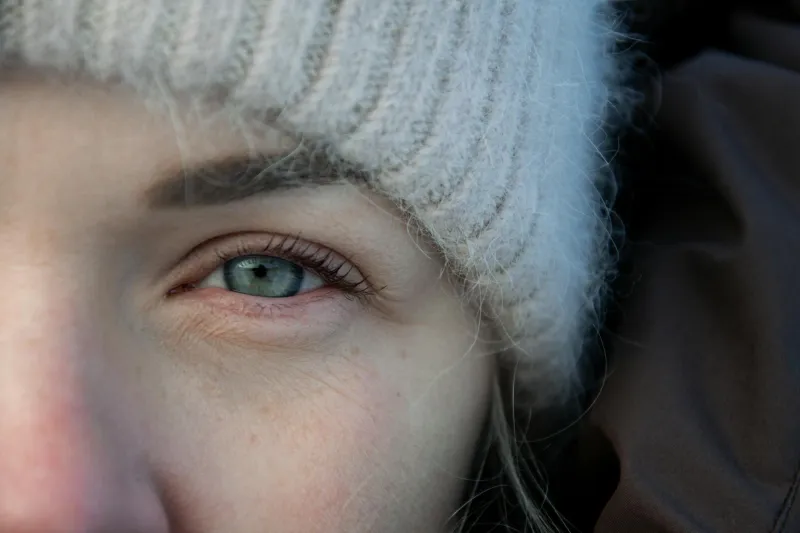
Every winter, the same ritual plays out in households across America. Parents chase kids toward the door, waving knit caps and repeating the sacred mantra: "Put on your hat — you lose most of your body heat through your head!"
It's advice so universal that questioning it feels almost unpatriotic. But here's the thing: this cornerstone of cold-weather wisdom didn't come from medical research or thermal physiology studies. It came from a U.S. Army survival manual that got wildly misinterpreted somewhere between the Pentagon and your pediatrician's office.
The Army Study That Started It All
The confusion traces back to military survival research conducted in the 1950s. Army scientists were testing how quickly soldiers would lose body heat in frigid conditions, but there was a crucial detail in their methodology: the test subjects were dressed in full Arctic survival suits with only their heads exposed.
Unsurprisingly, when the rest of your body is wrapped in military-grade insulation and only your noggin is hanging out in sub-zero temperatures, that's where you're going to lose the most heat. The study found that up to 40% of body heat escaped through the head — but only because it was the only unprotected part of the body.
Somewhere in the decades that followed, this very specific finding got stripped of its context and transformed into a general rule about human physiology. The idea that heads are special heat-leaking zones became conventional wisdom, passed down through generations of well-meaning parents who never questioned the science behind it.
What Your Body Actually Does in the Cold
When physiologists actually measure heat loss from different body parts under normal conditions, the head performs pretty much like you'd expect any other chunk of skin to perform. Your noggin accounts for roughly 7-10% of your total body surface area, and it loses roughly 7-10% of your total body heat.
There's nothing magical happening up there. No special heat-radiating properties, no thermal weak spots that make your skull a furnace chimney. Square inch for square inch, your head loses heat at about the same rate as your arms, legs, or torso when they're equally exposed to cold air.
The real difference is that most people don't walk around in winter with their arms and legs completely uncovered. When you're bundled up in a coat, scarf, and gloves but skip the hat, your head becomes the largest exposed surface area on your body. In that scenario, yes, you'll lose a disproportionate amount of heat through your head — but only because you've covered up everything else.
Why the Myth Became Unstoppable
This particular misconception had all the ingredients needed to become parenting gospel. It was simple enough to remember, came with clear actionable advice (wear a hat), and seemed to explain something parents could observe (kids getting cold quickly when bareheaded).
The military connection probably didn't hurt either. In post-war America, survival wisdom that supposedly came from tough Army research carried serious credibility. If it was good enough to keep soldiers alive in combat conditions, it was certainly good enough for little Tommy's walk to school.
Plus, the advice actually works, even if the reasoning is wrong. Wearing a hat does help you stay warmer — just not because your head is some kind of thermal leak. It helps because covering any exposed skin reduces heat loss, and your head happens to be a large, exposed surface that's often forgotten in cold-weather prep.
The Real Science of Staying Warm
If you want to understand how your body actually loses heat in cold weather, think surface area, not special zones. Your body radiates warmth from every square inch of exposed skin, and the more skin you leave uncovered, the faster you'll cool down.
This is why layering works so well, and why outdoor enthusiasts focus on covering extremities like hands and feet — not because these body parts are magical heat-losers, but because they're often the most exposed and have the least muscle mass to generate warmth.
Your head does have one legitimate claim to cold-weather importance: it houses your brain, which needs to maintain a stable temperature to function properly. But that's about blood flow and neurological function, not some unique heat-radiating property.
The Bottom Line
So should you wear a hat in winter? Absolutely. Will it help you stay warmer? Definitely. Will it prevent 40% of your body heat from escaping through some thermal weak spot in your skull? Not even close.
The next time you're bundling up for cold weather, remember that warmth is about total coverage, not protecting supposed heat-loss hot spots. Your mom's hat advice was solid — even if her science came from a decades-old misunderstanding of a military study that measured something completely different.
Sometimes the best parenting wisdom survives not because it's scientifically accurate, but because it gets the job done. In this case, that job is keeping your ears from freezing off, which is reason enough to keep that winter hat handy.