That Three-Second Goldfish Memory Fact You Know? It's Complete Nonsense
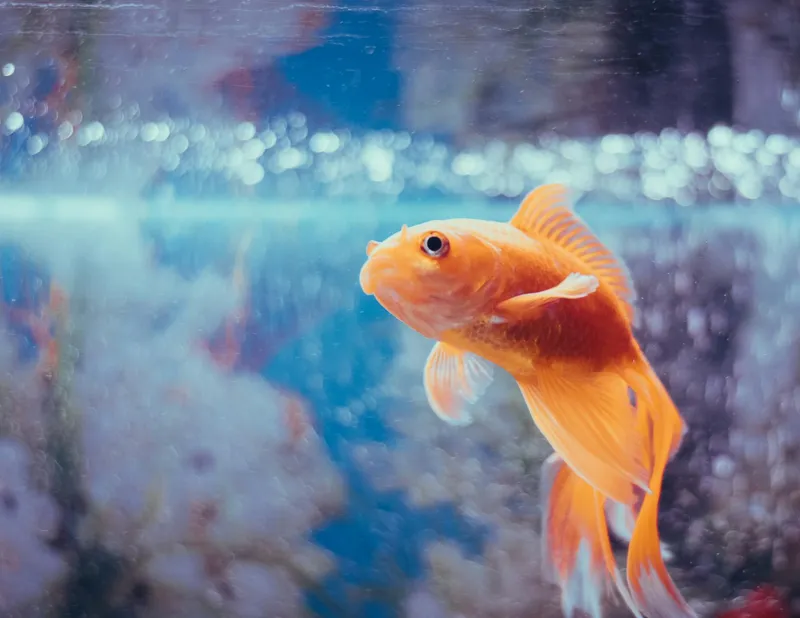
That Three-Second Goldfish Memory Fact You Know? It's Complete Nonsense
If you've ever used "goldfish memory" as an insult, you might want to reconsider. The idea that goldfish forget everything after three seconds isn't just wrong—it's spectacularly wrong. And the scientists who actually tested it have some embarrassing news for the rest of us.
What Everyone "Knows" About Goldfish
The three-second goldfish memory has become cultural shorthand for forgetfulness. It shows up in movie jokes, product names, and everyday conversation. Parents use it to explain why their kid's pet fish seems so vacant. Teachers reference it in classrooms. It's treated as basic biological fact.
The problem? Nobody who repeated this "fact" ever bothered to check if it was true.
What Scientists Actually Found When They Tested It
Researchers at Plymouth University decided to put goldfish memory to the test in 2003. They trained goldfish to navigate mazes, respond to different colors, and even play soccer (yes, really). The results weren't just surprising—they were downright embarrassing for everyone who'd been repeating the three-second myth.
Goldfish remembered maze solutions for months. They learned to recognize their owners and got excited when familiar people approached their tanks. Some could distinguish between different pieces of classical music. One study found goldfish could remember feeding schedules and would gather at the front of their tanks minutes before mealtime.
Dr. Phil Gee, who led the Plymouth research, put it bluntly: "Fish are smarter than people give them credit for. Their memory lasts for months, not seconds."
The Trail of a Baseless Myth
So where did the three-second figure come from? That's where things get weird. Nobody knows.
There's no scientific paper that established this timeline. No researcher ever published findings about three-second goldfish memory spans. The number appears to have materialized from thin air, spread through repetition, and calcified into "common knowledge."
Some theories trace it to pet store employees trying to sell more fish tanks ("Don't worry about the small bowl—they won't remember being cramped"). Others point to parents trying to minimize kids' guilt when goldfish died quickly in poor conditions.
What's certain is that the myth served a purpose: it made people feel better about keeping intelligent animals in tiny glass prisons.
Why Bad Information Sticks So Well
The goldfish memory myth demonstrates something psychologists call the "illusion of truth effect." When we hear something repeatedly, our brains start treating it as fact, regardless of whether it was ever verified.
The three-second claim also fit perfectly with existing prejudices about fish intelligence. People already thought fish were simple, so a simple explanation for their behavior felt right. It confirmed what we wanted to believe: that goldfish were basically living decorations, not creatures capable of boredom, recognition, or complex thought.
What This Means for Pet Owners
If goldfish actually have sophisticated memories and can learn complex behaviors, those tiny bowls start looking pretty cruel. A creature that can remember for months and solve problems probably isn't thriving in a space the size of a coffee mug.
Modern fish care guides recommend tanks of at least 20 gallons for a single goldfish, with filtration, plants, and enrichment activities. That's a far cry from the traditional fishbowl setup that the memory myth helped justify.
The Bigger Picture About Animal Intelligence
The goldfish memory myth isn't just wrong—it's part of a pattern of underestimating animal cognition that scientists are still working to correct. Fish, it turns out, have complex social structures, use tools, and even show signs of self-awareness.
Researchers have documented fish that recognize themselves in mirrors, maintain friendships, and teach skills to their offspring. Some species cooperate to hunt, while others have been observed using rocks to crack open shellfish.
The Real Lesson Here
Perhaps the most embarrassing part of the goldfish memory myth isn't that it was wrong, but that it took scientists so long to actually test it. For decades, the three-second claim circulated without anyone bothering to put a goldfish in front of a maze or a memory test.
It's a reminder that "common knowledge" often isn't knowledge at all—it's just commonly repeated assumptions. The next time someone mentions goldfish memory, you can let them know they're thinking of the wrong species. Humans, it turns out, are the ones with the three-second attention spans when it comes to fact-checking.