Breakfast Became 'The Most Important Meal' Because Someone Needed to Sell Cereal
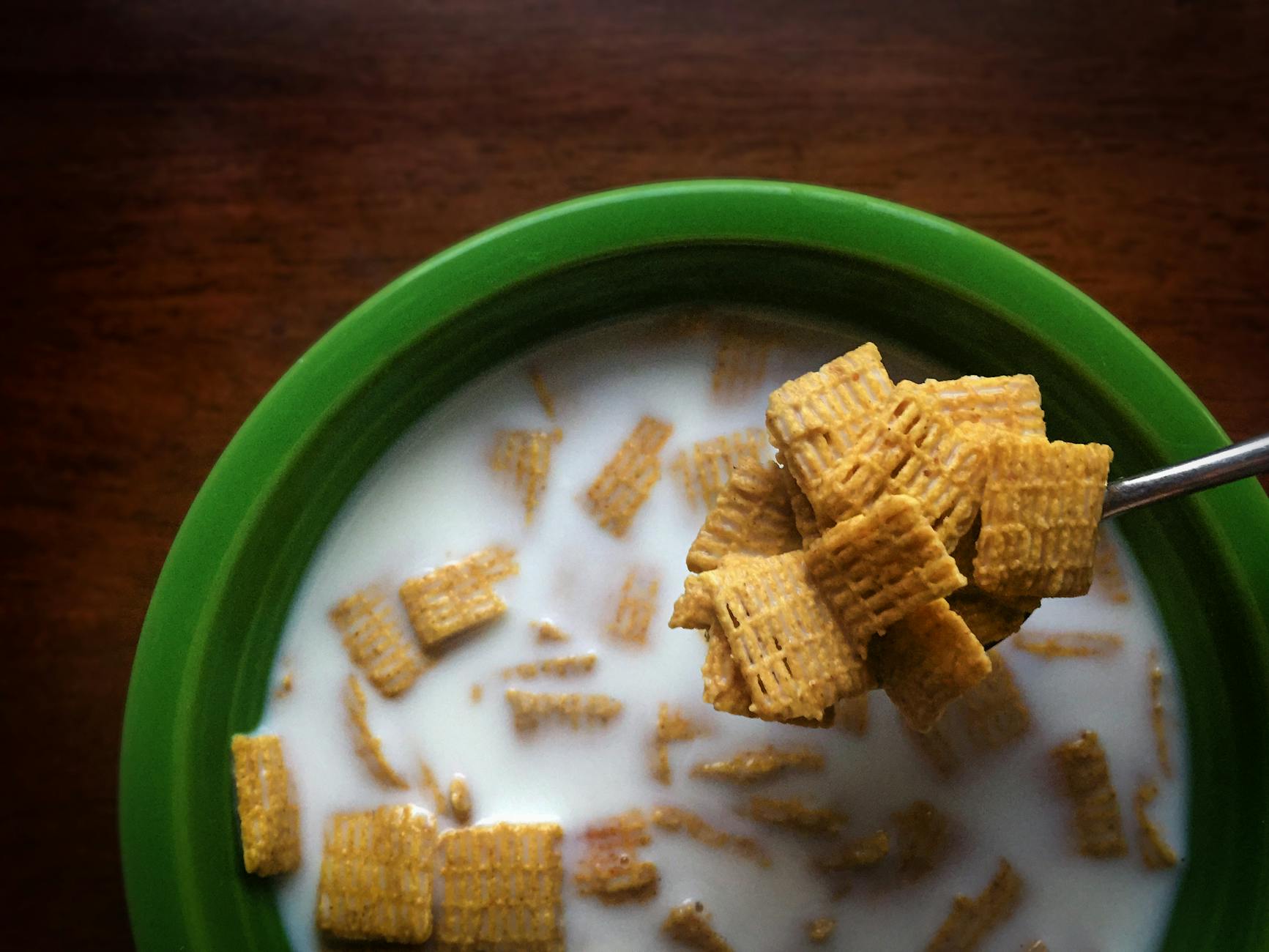
Breakfast Became 'The Most Important Meal' Because Someone Needed to Sell Cereal
It's one of those phrases so deeply embedded in American culture that questioning it almost feels reckless: breakfast is the most important meal of the day. Parents said it. Doctors nodded along. It showed up on cereal boxes, in school nutrition programs, in diet books stretching back decades.
There's just one thing worth knowing about that phrase: it was written by an ad man.
The story of how breakfast earned its exalted status in the American diet is a fascinating case study in how commercial interests, cultural repetition, and a few genuinely misread studies can quietly shape what an entire country believes about its own health — for over a century.
The Cereal Industry's Best Marketing Move
In the early 20th century, breakfast in America looked very different from what it became. Many working-class families ate whatever was available. Wealthier households often had heavy, meat-heavy morning meals. Cold cereal as a concept was relatively new, pioneered by health reformers like John Harvey Kellogg, who saw grain-based breakfast foods as a moral and digestive corrective to the era's rich eating habits.
By the 1940s, General Foods — the company behind Grape-Nuts and a growing portfolio of breakfast products — commissioned advertising that pushed the idea of breakfast as nutritionally essential. The phrase "breakfast is the most important meal of the day" appeared in promotional materials specifically designed to sell more product. It wasn't a finding from a research institution. It was a tagline.
But it worked. It worked extraordinarily well. The slogan got picked up by nutritionists who were, in that era, often working in close partnership with food companies. It made its way into school curricula. It was repeated so often and by so many seemingly authoritative voices that it gradually shed its commercial origins entirely and became received wisdom.
By the time anyone thought to study the claim rigorously, it had already been true in the cultural sense for decades.
What the Science Actually Shows
Here's where things get genuinely interesting. The research on breakfast and health outcomes is real — but it's a lot messier and more context-dependent than "eat breakfast or else."
For years, observational studies showed correlations between breakfast eating and lower body weight, better academic performance in children, and improved metabolic markers. These studies were widely cited as proof that breakfast was, indeed, important. What they couldn't show was causation — whether breakfast itself was driving those outcomes, or whether breakfast-eaters tended to share other health-promoting habits that explained the differences.
Randomized controlled trials — the gold standard for testing cause and effect — have painted a more complicated picture. A notable 2019 study published in The BMJ reviewed evidence from 13 randomized trials and found that skipping breakfast was not associated with weight gain and that breakfast consumption didn't reliably boost metabolism the way the conventional wisdom suggested. People who ate breakfast tended to consume more total daily calories, not fewer.
The metabolism angle deserves particular attention because it's the cornerstone of most pro-breakfast arguments. The claim is that eating in the morning "jumpstarts" your metabolism after an overnight fast, and that skipping breakfast forces your body into a kind of energy conservation mode that makes weight management harder. This idea is a significant oversimplification of how metabolism actually works.
Your resting metabolic rate — the number of calories your body burns just keeping you alive — is largely determined by your muscle mass, body size, genetics, and hormonal factors. It doesn't slam to a halt because you skipped eggs. The "starvation mode" concern that gets invoked around meal skipping is a real phenomenon, but it takes considerably longer than a missed morning meal to kick in.
Intermittent Fasting and the Morning Question
The rise of intermittent fasting over the past decade has done a lot to complicate the breakfast conversation. Time-restricted eating protocols — many of which involve skipping breakfast and eating within a window that starts at noon or later — have shown genuinely promising results in research on weight management, blood sugar regulation, and metabolic health.
This doesn't mean intermittent fasting is right for everyone. People with diabetes, a history of disordered eating, certain medications, or high physical training demands may do better with consistent morning fuel. Children and adolescents, whose brains and bodies are still developing, appear to benefit meaningfully from breakfast in ways that don't necessarily apply to adults.
But the research on time-restricted eating has made it very hard to maintain the universal claim that breakfast is non-negotiable for metabolic health. For many adults, particularly those who aren't hungry in the morning or who find that eating early triggers overeating later in the day, skipping breakfast may be a perfectly reasonable choice.
Why the Myth Refuses to Die
Several forces keep the breakfast myth alive and well in American culture.
The food industry still has enormous financial interest in morning eating occasions. Cereal, yogurt, granola bars, breakfast sandwiches — these are billion-dollar categories that depend on consumers believing morning eating is essential. Nutritional messaging in these categories often subtly reinforces the importance of breakfast without making claims that would require regulatory scrutiny.
There's also the genuine complexity of nutrition science, which makes it easy for oversimplified rules to persist. Telling people that meal timing is highly individual and depends on their specific health context, activity level, sleep patterns, and metabolic profile is accurate — but it's a much harder message to communicate than "eat breakfast every day."
And confirmation bias plays its part. Many people genuinely feel better when they eat breakfast, and that experience is real and valid. The problem is assuming that personal experience scales into a universal biological law.
The Actual Takeaway
If you love breakfast and it makes you feel good, eat it. A nutritious morning meal can absolutely support your energy levels, concentration, and overall dietary quality. None of this is an argument against breakfast.
What it is an argument against is the idea that skipping it is a metabolic mistake, or that the specific rule about morning eating is grounded in anything more than a very successful marketing campaign and decades of cultural momentum.
Your body doesn't operate on a schedule set by a 1940s advertising executive. Pay attention to your own hunger signals, your energy patterns, and how different eating windows make you feel. That's a more reliable guide than a slogan that was designed to sell cereal.