Your Brain Isn't Slacking Off — The 10% Myth Started With a Misunderstanding
Your Brain Isn't Slacking Off — The 10% Myth Started With a Misunderstanding
If you've ever felt like you're not living up to your potential, you've probably heard the comforting idea that humans only use 10% of their brains. It's a seductive thought — imagine what you could accomplish if you could just unlock that other 90%! Movies like "Lucy" and "Limitless" have built entire plots around this concept, and countless self-help gurus promise to help you access your "untapped brain power."
But here's what neuroscientists actually see when they peer inside our heads: we're already using virtually all of our brain, virtually all of the time.
What Brain Scans Actually Show
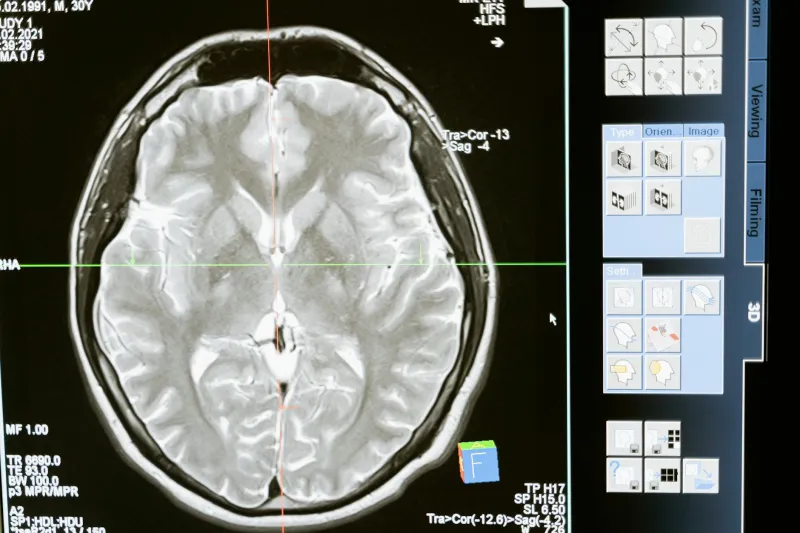
Modern brain imaging technology — from PET scans to functional MRIs — reveals something remarkable about human brain activity. Even during simple tasks like reading this sentence, multiple regions across your brain light up simultaneously. When you're "just" sitting quietly, your brain is still humming with activity in what scientists call the "default mode network."
Dr. Barry Gordon, a neurologist at Johns Hopkins, puts it bluntly: "We use virtually every part of the brain, and that [most of] the brain is active almost all the time." Even during sleep, your brain remains busy consolidating memories, regulating bodily functions, and preparing for the next day.
The closest thing to an "unused" brain region would be areas damaged by stroke or injury — and people with such damage typically show clear deficits, not hidden potential waiting to be unlocked.
Where This Myth Actually Came From
The 10% figure didn't emerge from any single study or scientist, which makes tracing its origins surprisingly tricky. Most researchers point to a combination of early 20th-century misunderstandings and misquotations.
One likely culprit is William James, often called the father of American psychology. In 1906, he wrote that "we are making use of only a small part of our possible mental and physical resources." Notice he didn't specify 10% — but later writers may have attached a concrete number to his general observation about human potential.
Another theory traces the myth to early brain surgery research. In the 1930s, neurosurgeon Wilder Penfield discovered that electrically stimulating certain brain areas during surgery didn't produce obvious responses from patients. But "no obvious response" doesn't mean "unused" — these areas might handle complex functions that aren't immediately apparent during brief electrical stimulation.
How Self-Help Culture Supercharged the Myth
The 10% brain myth really took off when self-improvement culture grabbed hold of it. Dale Carnegie referenced the idea in his 1936 bestseller "How to Win Friends and Influence People," though he was more cautious about the specific percentage than later promoters would be.
The appeal is obvious: if you're only using 10% of your brain, then failure isn't really your fault — you just haven't learned to access your hidden potential yet. It's a much more comforting message than "you're already using your full neurological capacity, and improvement requires hard work and realistic expectations."
Psychic and paranormal promoters also love this myth because it provides a pseudo-scientific explanation for supernatural abilities. If most of your brain is sitting dormant, maybe psychics have just figured out how to use more of theirs.
Why Hollywood Keeps This Myth Alive
Movies need dramatic premises, and "unlock your hidden brain power" makes for much better storytelling than "gradually improve your skills through practice and learning." Films like "Lucy," where Scarlett Johansson's character gains superhuman abilities as she accesses more of her brain, wouldn't work if audiences understood that she was already using nearly all of it.
These portrayals reinforce the myth for new generations, creating a feedback loop where the misconception feels more credible because it's so widely referenced in popular culture.
What Your Brain Actually Does With All That Activity
So if we're using nearly all our brain capacity, what's it all doing? The answer reveals something far more impressive than the myth suggests.
Your brain is constantly running multiple complex processes simultaneously: processing sensory information, maintaining balance and posture, regulating breathing and heart rate, storing and retrieving memories, planning future actions, and maintaining awareness of your surroundings. Even "simple" tasks like recognizing a friend's face require coordination between multiple brain regions.
The default mode network — active when you're not focused on any particular task — appears to be consolidating memories, planning, and maintaining your sense of self. Rather than idling, your brain during "downtime" is actually performing crucial maintenance work.
The Real Story About Brain Potential
This doesn't mean humans can't improve their cognitive abilities. The brain's neuroplasticity — its ability to form new connections and adapt — continues throughout life. Learning new skills, practicing challenging tasks, and maintaining physical health can all enhance brain function.
But this improvement happens through optimizing existing neural networks, not by switching on previously dormant brain regions. It's more like upgrading your computer's software than discovering you had extra processors you never knew about.
The Takeaway
The 10% brain myth persists because it offers false hope wrapped in scientific-sounding language. The truth is both more mundane and more remarkable: your brain is already an incredibly sophisticated biological computer running at nearly full capacity.
Rather than waiting to unlock some mythical untapped potential, the real path to cognitive improvement involves working with the amazing neural machinery you already possess — through learning, practice, and healthy living. Your brain isn't slacking off; it's already performing one of the universe's most complex tasks by simply being conscious and reading these words.