The 30-Minute Swimming Rule Has Zero Science Behind It — But Parents Still Swear By It
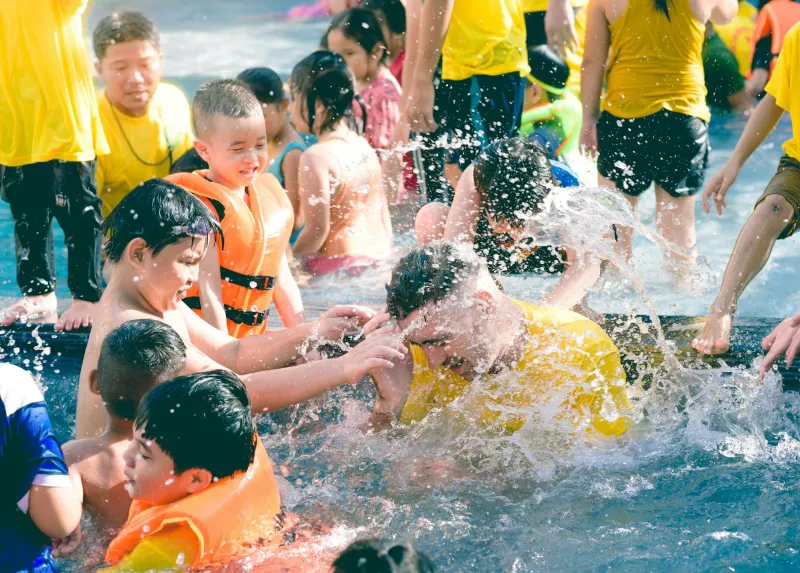
Every summer, the same scene plays out at pools across America. Kids finish lunch and immediately bolt toward the water, only to hear those familiar words: "Wait thirty minutes!" Parents invoke this rule with the confidence of medical professionals, warning of cramps, drowning, and dire consequences.
But here's what's actually happening: you've been following advice that has no scientific foundation whatsoever.
The Rule Everyone "Knows"
The 30-minute rule is so ingrained in American culture that questioning it feels almost rebellious. Ask any parent why they enforce it, and you'll hear variations of the same explanation: "Your body needs blood for digestion, so swimming after eating causes dangerous cramps that can make you drown."
This explanation sounds perfectly logical. It has that ring of biological truth that makes you nod along. Blood flow, digestion, muscle function — it all connects in a way that feels scientifically sound.
Except none of it is actually true.
Where This Pool Rule Really Came From
The 30-minute rule didn't emerge from medical research or drowning statistics. It came from early 20th-century swimming instructors and safety organizations who were genuinely trying to prevent accidents, but were working with limited understanding of human physiology.
In the 1920s and 1930s, organizations like the American Red Cross began promoting swimming safety guidelines. The "wait after eating" advice appeared alongside other precautions that made sense for the time — don't swim alone, know your limits, avoid dangerous areas.
The problem was that swimming instructors, not medical researchers, were creating these guidelines. They observed that some swimmers occasionally got cramps and noticed it sometimes happened after eating. The connection seemed obvious, so they codified it into official safety advice.
Once the American Red Cross endorsed the rule, it gained the authority of established medical wisdom. Parents began teaching it to their children, who grew up to teach it to their children, creating an unbroken chain of poolside enforcement that continues today.
What Actually Happens When You Swim After Eating
Sports medicine researchers have studied exercise after eating extensively, and the results are clear: eating before swimming poses no significant danger.
Yes, your digestive system does use blood flow after a meal. But your cardiovascular system doesn't work like a zero-sum game where blood to your stomach means no blood for your muscles. Your heart pumps more blood when needed, easily supplying both your digestive system and your swimming muscles.
Can you get cramps while swimming after eating? Possibly, but they're typically mild muscle cramps — not the debilitating, life-threatening episodes the rule warns against. These cramps are more annoying than dangerous, and they can happen whether you've eaten recently or not.
The American College of Sports Medicine, the organization that actually studies exercise physiology, has never recommended waiting 30 minutes after eating before swimming. Neither has any major medical organization.
The Real Drowning Risks Nobody Talks About
While parents obsess over post-meal swimming, the actual causes of drowning get less attention. According to the CDC, the leading factors in swimming deaths are lack of swimming ability, absence of barriers around pools, lack of supervision, and alcohol use.
Notably absent from this list: eating before swimming.
The tragic irony is that the 30-minute rule might actually reduce swimming safety by creating a false sense of security. Parents who religiously enforce the waiting period might pay less attention to the factors that actually matter — like constant supervision and ensuring their children are strong swimmers.
Why the Myth Survives
The 30-minute rule persists because it has all the characteristics of a perfect myth. It's specific enough to sound scientific (exactly 30 minutes, not 20 or 40). It has a plausible biological explanation that most people can't verify. And it's been passed down by trusted authorities — first swimming instructors, then parents — for nearly a century.
The rule also appeals to our natural tendency toward caution, especially when children are involved. "Better safe than sorry" thinking makes the 30-minute wait feel responsible, even if it's unnecessary.
Plus, the rule costs nothing to follow. Unlike debunking expensive health supplements or dangerous treatments, questioning the swimming rule doesn't require anyone to change their behavior in ways that feel risky.
The Real Takeaway
The next time you're tempted to enforce the 30-minute rule, remember that you're perpetuating advice created by well-meaning swimming instructors nearly a century ago, not medical professionals studying drowning prevention.
This doesn't mean you should throw caution to the wind. Good swimming safety still matters: supervise children constantly, ensure everyone knows how to swim, and maintain proper pool barriers.
But you can skip the arbitrary waiting period. Your kids won't drown from swimming after lunch — they're more likely to complain about being bored while watching everyone else have fun in the pool.
The 30-minute rule is a perfect example of how safety advice, once established, can take on a life of its own regardless of whether science supports it. Sometimes the most dangerous thing about a myth isn't the myth itself — it's how confidently we pass it on to the next generation.