The 30-Minute Exercise Wait That Modern Sports Medicine Calls Unnecessary
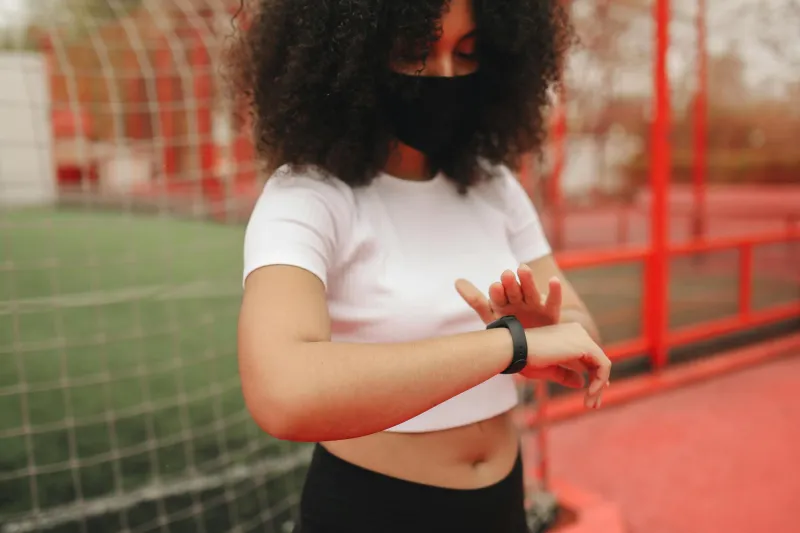
Ask any American over 30 about exercising after meals, and you'll likely hear some version of the same warning: "Wait at least 30 minutes, or you'll get terrible cramps." This advice gets passed down like gospel truth, from parents to children, coaches to athletes, and even appears in health articles across the internet.
But here's what's surprising: modern sports medicine research finds little evidence that a 30-minute waiting period is necessary for most people.
Where the 30-Minute Rule Came From
The origins of this advice trace back to early 20th-century theories about blood flow and digestion. The thinking went like this: when you eat, blood rushes to your digestive system to help break down food. If you exercise too soon, that blood gets diverted to your muscles, leaving your stomach without enough circulation to digest properly. This supposedly caused painful cramping or even dangerous complications.
It made intuitive sense, and the advice spread through medical textbooks, fitness guides, and eventually became standard wisdom in American households. The specific 30-minute timeframe seemed scientific enough to stick, even though it was largely arbitrary.
What Actually Happens When You Exercise After Eating
Your body is far more sophisticated than early theories suggested. When you eat, blood flow does increase to your digestive organs, but your cardiovascular system doesn't operate like a simple plumbing system where blood gets "stolen" from one area to serve another.
During light to moderate exercise, your body easily manages blood distribution between digestive organs and working muscles. Your heart rate increases, pumping more blood overall, and your circulatory system adapts to meet multiple demands simultaneously.
Dr. Nancy Clark, a sports nutritionist who's worked with Olympic athletes, points out that many successful athletes regularly eat and exercise without following rigid waiting periods. "The body is remarkably adaptable," she explains in her research on exercise nutrition.
When Timing Actually Matters
This doesn't mean meal timing is completely irrelevant. Several factors do influence how you'll feel exercising after eating:
Meal size matters more than timing. A large, heavy meal will likely make you uncomfortable during intense exercise, regardless of whether you wait 30 minutes or an hour. Your stomach is physically full, and vigorous movement can cause genuine discomfort.
Exercise intensity is the real variable. Light activities like walking or gentle yoga rarely cause problems, even immediately after eating. High-intensity activities like sprinting or heavy weightlifting are more likely to cause digestive discomfort, but this varies dramatically between individuals.
Individual differences are huge. Some people can eat a sandwich and immediately go for a run with no issues. Others feel sluggish after even small snacks. Your personal tolerance is far more relevant than any universal rule.
The Real Risks Are Different Than Expected
When researchers actually study exercise-related digestive issues, they find that serious complications from eating before exercise are extremely rare in healthy individuals. The most common problems are:
- General discomfort or feeling sluggish
- Mild nausea during very intense exercise
- Side stitches (which aren't dangerous, just annoying)
Serious medical complications from exercising after eating are so uncommon that they don't appear in standard sports medicine literature as significant concerns for recreational exercisers.
Why the Myth Persists
The 30-minute rule survives because it feels like reasonable, cautious advice. Parents want to protect their children from discomfort. Coaches want to prevent performance issues. And frankly, waiting 30 minutes after a meal often does make exercise more comfortable—not because of blood flow issues, but simply because your stomach has had time to begin emptying.
The advice also persists because it's not entirely wrong, just oversimplified. Many people do feel better waiting after large meals before intense exercise. But the rigid 30-minute timeframe and dire warnings about cramps or health risks don't match what sports medicine research actually shows.
A More Nuanced Approach
Instead of following a blanket 30-minute rule, sports nutritionists recommend paying attention to your body and adjusting based on practical factors:
- For light exercise like walking, timing rarely matters
- For moderate exercise, wait if you feel uncomfortably full
- For intense exercise, experiment to find your personal tolerance
- Smaller meals and snacks typically require less waiting time
- Liquid calories (like sports drinks) are processed faster than solid food
The Bottom Line
The 30-minute post-meal exercise rule represents well-meaning advice based on outdated understanding of human physiology. While meal timing can affect comfort and performance, the rigid timeframe and scary warnings about health risks don't align with current sports medicine research.
Your body is more adaptable than early 20th-century theories suggested. Instead of watching the clock, pay attention to how you actually feel—and remember that individual variation matters far more than any universal rule passed down through generations of concerned parents and coaches.